
Interviews and Stories


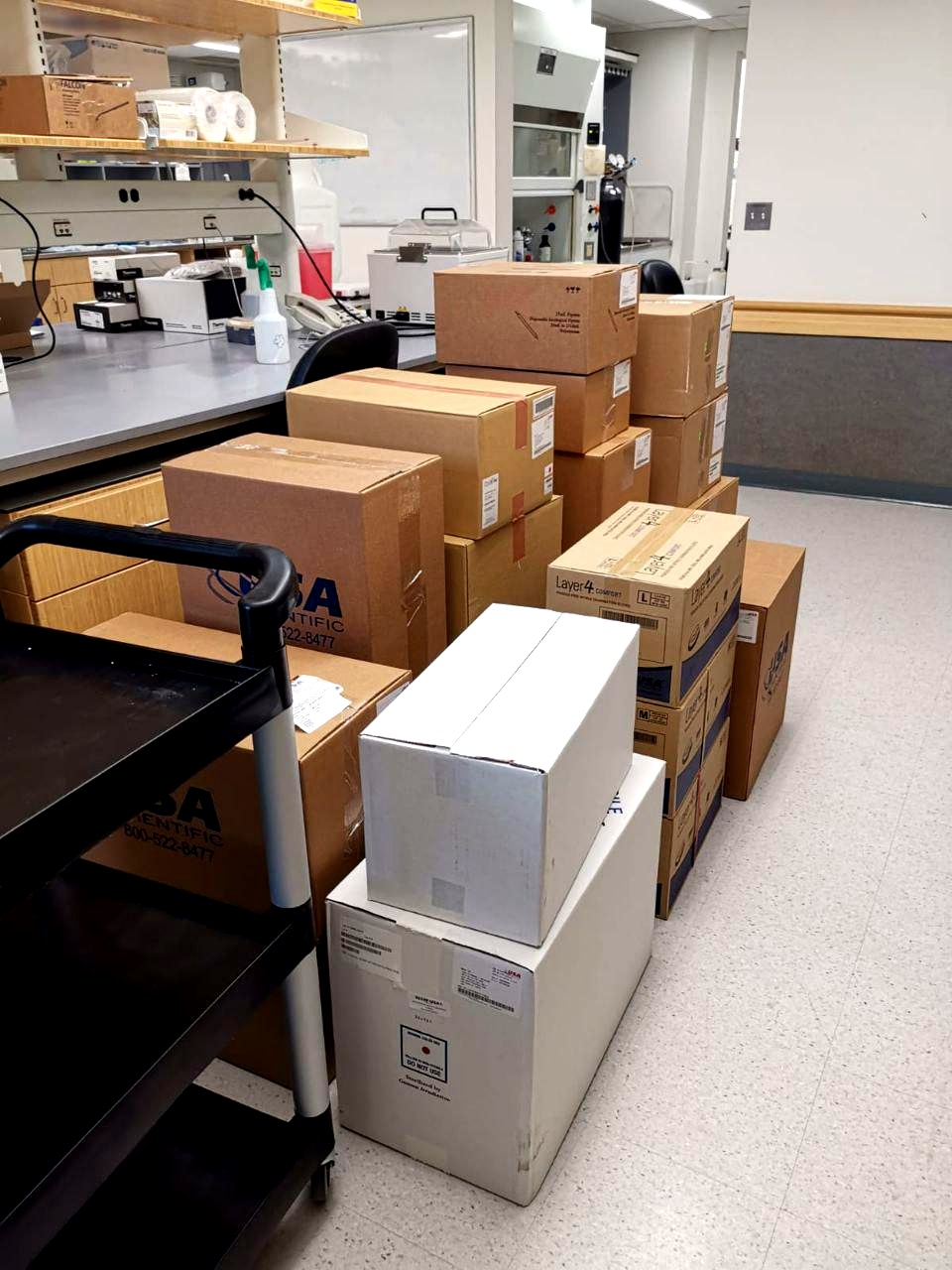
BoxesThe process of obtaining a doctoral degree is like a scavenger hunt without a map – thrilling, fun but also exhausting. All of us face completely new situations and adventures with lots of surprises and unexpected twists in work and lifestyle. Not only science itself, but also the working environment features fluctuations and changes. Surely, you noticed the continual coming and going of not only staff but also labs in big institution like the Max Planck Institutes, but never cared until you are one of them. It is not eyebrow-raising that some of us deal with the moving of their lab during their PhD time – but you are not alone (just google it!). Although organizations are rather bad at keeping track of numbers, there are plenty of reports of students. At least three labs with IMPRS PhD students came to meet these obstacles – willingly or unwillingly (I am one of those – hooray!).

Relocating a lab to a different city, country or even continent always goes along with stress and time delay (and also lots of costs). Early planning is the key. Roughly one year before the actual moving (X day), I knew I would be finishing the second half of my PhD studies on the other side of the Atlantic – in the US.

Wrap it up..! (2 months to day X)

A challenging part was not only to apply for visa, look for a payable apartment and plan necessities for a new life, but also to finish everything that is related to the former institution. Preparing final replicates, imaging last slides with familiar equipment and utilizing the high standard facilities for final assays, this filled my days before the flight. It was a bittersweet feeling to trash all tubes presenting accumulated hard work read more



Ryan Sherrard

Biography

Ryan Sherrard joined the IMPRS-LS program in 2013 after completing a Master’s program in Biochemistry at LMU. He is enrolled in the faculty of Biology at the LMU in the lab of Prof Dr Barbara Conradt. Ryan also has the role of an IMPRS-LS student representative and is very much involved in many aspects of the program.

Why did you choose to do your PhD with IMPRS?

The Max Planck Institute of Biochemistry is world-renowned and offers PhD candidates the opportunity to conduct cutting-edge research. The IMPRS-LS program offers a well-structured curriculum with many benefits, as well as the chance to network across the campus and other institutes. Together, it makes for a prestigious program that attracts talented young scientists from all around the world.

Why did you come to Germany and what are the best aspects of studying here at the LMU?

If you are considering studying abroad, you will find no better place than Munich! I instantly fell in love with this city while traveling around Europe, and decided to move here shortly after. Munich consistently ranks among the top cities in the world for qualify of life, and there is always something going on—summer in the biergartens, winter in the christmas markets, and plenty of festivals through out the year! In addition, the LMU offers tuition-free education for everyone, so the decision to study in Munich was an easy one for me.

How did you adjust to living in Germany and to the change in culture and language?

As a Canadian adjusting to life in Germany is not difficult, especially when the IMPRS-LS coordination office are there to help you every step of the way. The read more


Sally Deeb

Short biography

Sally Deeb from Lebanon joined the IMPRS-LS after getting a Bachelor’s degree in science at the Lebanese University and a Master’s degree in biology at the American University of Beirut. She was conducting her doctoral studies in the area of proteomics at the MPI of Biochemistry, where she completed her thesis titeled "MS-based Quantitative Proteomics for Molecular Cancer Diagnostics" in 2014.

Why did you decide to come to Germany for a PhD?

For me who wanted to pursue a science-related career, Germany was one of the best options to do my PhD. The country is well-known in many fields of research, and in particular, it is famous for its leading technologies and internationally competitive labs in biology, biotechnology and biochemistry. Also, the pharmaceutical industry in Germany plays an important role. So there were some good reasons for me to come here after I completed my Master’s degree in Lebanon.

In 2009, you started your PhD at the IMPRS-LS in Munich. Why did you choose an International Max Planck Research School?

In my last year at the American University of Beirut, I heard about the IMPRS from a colleague who was already in Munich and recommended the doctoral program. First, it was important for me to choose an English-speaking PhD program. What makes it very attractive is that after the first round of selection it offers an interview week which allows applicants to visit the labs and have a closer look at the research going on. The IMPRS-LS is specialised in life sciences and was exactly the doctoral programme i was looking for. I did my research in a proteomics lab, where I apply the latest mass spectrometry technology to try to characterise read more


Garwin Pichler

Short biography

Dr. Garwin Pichler studied biochemistry at the LMU Munich and completed his thesis titled “Crosstalk between histone modifications and DNA methylation” in 2008. Garwin was enrolled as an IMPRS student at the faculty of biology at the LMU Munich. He has many years of experience in the development of high-throughput platforms for the mass spectrometry-based proteomic analyses of clinically-relevant samples such as blood plasma and urine. Whilst conducting his research, Garwin studied "Business and Management" in parallel to gain knowledge of strategic and operational processes in companies. Prior to founding his own company, Garwin worked as consultant for the spin-off ChromoTek GmbH to prepare the market entry of products for academic research.

Why did you choose to do your PhD with IMPRS?

I had been working at the MPI of Biochemistry for my Master Thesis and decided to do my PhD thesis in the faculty of biology at the LMU Munich. I decided to apply for the IMPRS program to allow me to be able to use the advantages of all associated institutes. As an IMPRS student, I was able to collaborate with a group at the MPI of Biochemistry as well as with a group at the faculty of biochemistry at the LMU Munich in a interdisciplinary manner.

Why did you choose Munich and what are the best aspects of studying here?

That’s simple ;-) It is a combination of the best research structure in Europe, the high living standards of Munich as well as the fact that I have been living and enjoying life in Munich now for over 30 years.

How did the IMPRS program help with preparing you for life after your PhD?

I wouldn’t say prepare but it definitely facilitated my read more